When Product and Product Marketing disagree about how to position a feature, it rarely looks like a disagreement about evidence. It looks like two people who are each sure.
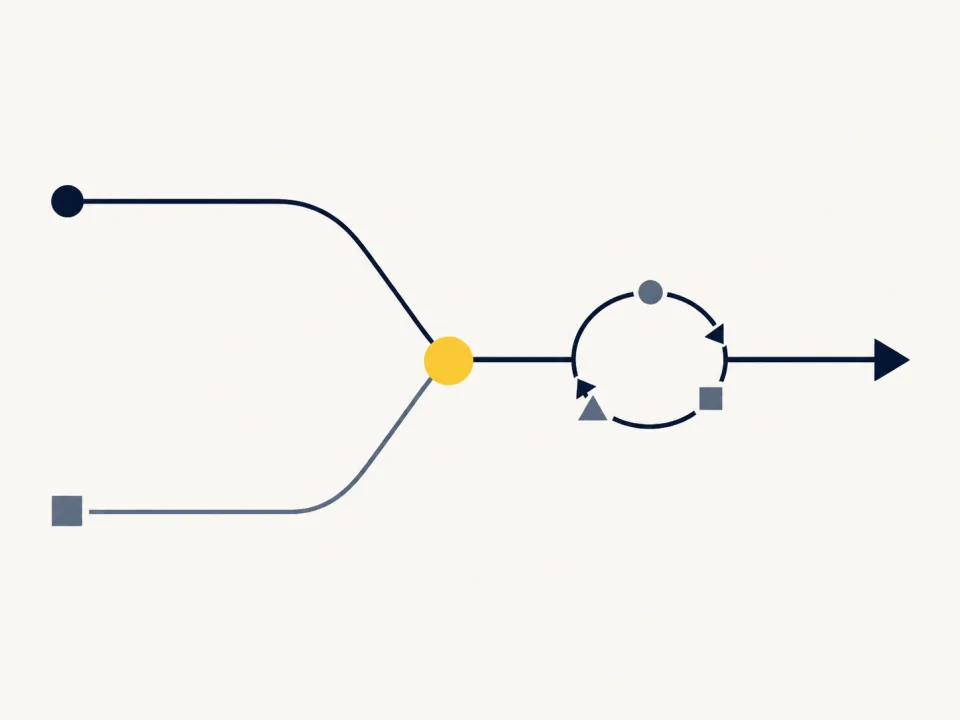
I've come to see most of these moments differently: they aren't conflicts. They're untested hypotheses wearing the costume of conflict. And the way out is not to decide who's more senior or who argues harder. It's to agree on how we'll test.
Change the object of the conversation
The reframe is simple but it changes the temperature of the room. We aren't holding truths; we're holding hypotheses. My reading of how to position something is a hypothesis. The Product team's reading is another. Stated that way, there's nothing to win. There's something to find out.
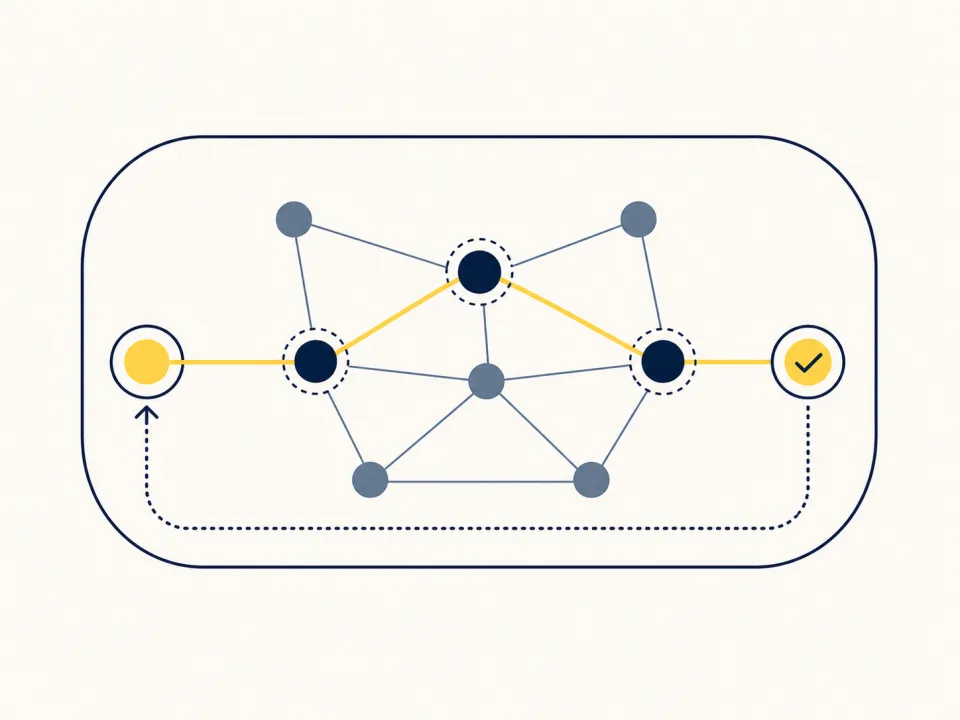
We can talk to a small group of users, or launch into a limited market we understand well, and let the situation tell us something neither of us could assert from a meeting room.
What actually turns a hypothesis into a fight is emotional attachment, when people bind themselves to a view that isn't yet aligned and start defending the position instead of testing it. Different positions aren't a problem in themselves. They only become one when ego arrives and quietly swaps the goal from what's true here to whose view wins. Naming that, gently, is often enough to lower it.
Hold the answer in proportion
There's a humility clause I try never to drop. Testing gives you an answer, but the reliability of that answer depends on the sample. A handful of conversations is a signal, not a verdict, and treating a thin result as proof is just a slower way of being wrong. So I hold even the test's outcome loosely, in proportion to how much it can actually bear.
Where the claim stops
Not everything can wait for a test, and some calls have to be made on judgment and the clock. When that happens, I'd still rather make the decision knowing it's a bet than dress it up as a certainty, because naming it as a bet is what lets us revisit it honestly when the evidence finally arrives.